
Sind Elektrofahrräder wartungsintensiv?
Elektrofahrräder, kurz E-Bikes, erfreuen sich immer größerer Beliebtheit und bieten eine umweltfreundliche, kostengünstige und unterhaltsame Art der Fortbewegung. Potenzielle Käufer fragen sich jedoch oft, wie es mit der Wartung aussieht: Sind E-Bikes wartungsintensiv? Wir gehen dieser Frage nach und erklären, was der Besitz eines E-Bikes mit sich bringt und wie es sich von herkömmlichen Fahrrädern und anderen Verkehrsmitteln unterscheidet.
Grundlagen der E-Bike-Komponenten
Um den Wartungsaufwand von E-Bikes zu verstehen, ist es wichtig, deren Komponenten zu kennen. Ein E-Bike kombiniert traditionelle Fahrradteile mit zusätzlichen elektrischen Komponenten, wie zum Beispiel:
- Batterie: Versorgt den Motor mit Strom und muss regelmäßig aufgeladen werden.
- Motor: Bietet Pedalunterstützung und benötigt minimalen Wartungsaufwand.
- Controller: Steuert den Stromfluss von der Batterie zum Motor.
- Anzeige: Zeigt Geschwindigkeit, Akkustand und weitere Messwerte an.
Routinemäßige Wartungsaufgaben
Genau wie herkömmliche Fahrräder, E-Bikes Regelmäßige Wartung ist erforderlich. Hier sind einige häufige Aufgaben:
1. Reifenprüfung und Reifendruckkontrolle
E-BikeReifen können sich aufgrund des höheren Gewichts und der höheren Geschwindigkeit schneller abnutzen. Überprüfen Sie regelmäßig den Verschleiß und stellen Sie sicher, dass sie richtig aufgepumpt sind, um Reifenpannen zu vermeiden und eine komfortable Fahrt zu gewährleisten.
2. Bremsenprüfung
Aufgrund der höheren Geschwindigkeiten sind E-Bikes stark auf ihr Bremssystem angewiesen. Bremsbeläge und -züge sollten regelmäßig überprüft und bei Bedarf ausgetauscht werden, um die Sicherheit zu gewährleisten.
3. Pflege von Kette und Antriebsstrang
Es ist entscheidend, Kette und Antriebsstrang sauber und geschmiert zu halten. Schmutz und Ablagerungen können sich schnell ansammeln und zu Leistungseinbußen und Verschleiß führen.
4. Batteriewartung
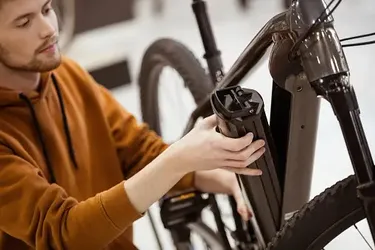
Die Wartung des Akkus ist relativ einfach, aber entscheidend für die Langlebigkeit Ihres E-Bikes. Überprüfen Sie regelmäßig den Ladezustand des Akkus, reinigen Sie die Anschlüsse und lagern Sie ihn ordnungsgemäß, wenn er nicht benutzt wird.
Faktoren, die die Wartung von E-Bikes beeinflussen
Der Wartungsaufwand für Ihr Elektrofahrrad hängt von einigen Schlüsselfaktoren ab:
1. Die Qualität des Fahrrads
Wie bei herkömmlichen Fahrrädern spielt auch bei E-Bikes die Qualität eine wichtige Rolle für den Wartungsaufwand. Hochwertige E-Bikes mit qualitativ hochwertigen Komponenten sind in der Regel langlebiger und benötigen weniger Reparaturen. Einsteiger-E-Bikes hingegen benötigen aufgrund weniger robuster Komponenten möglicherweise mehr Aufmerksamkeit.
2. Wie häufig Sie es verwenden
Je häufiger Sie Ihr E-Bike nutzen, desto stärker verschleißt es. Die regelmäßige Nutzung von Motor, Akku und anderen beweglichen Teilen kann zu schnellerem Verschleiß führen, wenn sie nicht ordnungsgemäß gewartet werden. Wenn Sie Ihr E-Bike täglich für den Arbeitsweg nutzen, müssen Sie möglicherweise häufiger Wartungsarbeiten durchführen als Gelegenheitsfahrer.
3. Das Gelände, auf dem du fährst
Das Fahren auf unebenem oder rauem Gelände kann die Komponenten des Fahrrads, insbesondere Motor und Laufräder, stärker belasten. Wenn Sie mit Ihrem E-Bike auf hügeligen Straßen oder Offroad-Strecken unterwegs sind, sollten Sie die Funktionstüchtigkeit dieser Teile regelmäßig überprüfen.
4. Wetterbedingungen
Extreme Wetterbedingungen wie Starkregen, Schnee oder extreme Hitze können die Leistung und Lebensdauer Ihres E-Bikes beeinträchtigen. Feuchtigkeit kann beispielsweise zu Rost an Metallteilen führen, während extreme Temperaturen die Akkuleistung verringern können. Die richtige Lagerung und Pflege unter widrigen Bedingungen ist daher entscheidend, um den Wartungsaufwand zu minimieren.
Wichtige Aspekte der E-Bike-Wartung
Nachdem wir nun die Faktoren verstanden haben, die die Wartung beeinflussen, wollen wir die wichtigsten Komponenten Ihres E-Bikes aufschlüsseln, die regelmäßige Aufmerksamkeit erfordern.
1. Batteriepflege und -wartung
Der Akku ist das Herzstück eines Elektrofahrrads, und seine Instandhaltung ist unerlässlich für einen reibungslosen Betrieb.
Aufladen
Um die Lebensdauer Ihres E-Bike-Akkus zu verlängern, befolgen Sie beim Laden stets die Anweisungen des Herstellers. Vermeiden Sie Überladung oder vollständige Entladung des Akkus. Laden Sie den Akku am besten auf, wenn er etwa 20–30 % Kapazität hat, um seine optimale Funktion zu gewährleisten.
Speicher
Wenn der Akku nicht verwendet wird, sollte er an einem kühlen, trockenen Ort ohne direkte Sonneneinstrahlung aufbewahrt werden. Eine längere Lagerung im voll geladenen Zustand kann seine Lebensdauer verkürzen. Laden Sie den Akku auf etwa 50 %, bevor Sie ihn einlagern, wenn Sie das Fahrrad längere Zeit nicht benutzen.
Batteriewechsel
Selbst bei sorgfältiger Pflege muss der Akku eines E-Bikes irgendwann ausgetauscht werden. Die meisten Akkus halten je nach Nutzung zwischen zwei und fünf Jahren. Ein Akkutausch kann eine kostspielige Angelegenheit sein, daher sollten Sie sich darauf vorbereiten.
2. Wartung von Motor und Antriebsstrang
Der Motor Ihres E-Bikes ist auf eine lange Lebensdauer ausgelegt, dennoch ist die richtige Pflege wichtig, um einen reibungslosen Betrieb zu gewährleisten. Überprüfen Sie regelmäßig die Kabel auf festen Sitz und stellen Sie sicher, dass der Motor frei von Schmutz ist.
Schmierung
Wie bei einem herkömmlichen Fahrrad benötigt auch der Antriebsstrang Ihres E-Bikes (Kette, Ritzel und Kassette) regelmäßige Schmierung. Ein gut geschmierter Antriebsstrang arbeitet effizienter und reduziert den Verschleiß des Motors und anderer Teile.
Inspektionen
Überprüfen Sie Ihren Motor regelmäßig auf Verschleißerscheinungen wie ungewöhnliche Geräusche oder Leistungsverlust. Sollten Probleme auftreten, lassen Sie den Motor von einem Fachmann überprüfen.
3. Bremsen und Reifen
Bremsen und Reifen sind für die Sicherheit von entscheidender Bedeutung und müssen daher jederzeit in einwandfreiem Zustand sein.
Bremsbeläge
Überprüfen Sie Ihre Bremsbeläge regelmäßig auf Verschleiß. Wenn Sie schleifende Geräusche bemerken oder die Bremskraft nachlässt, sollten Sie die Beläge austauschen. E-Bikes verwenden in der Regel Scheibenbremsen, die im Vergleich zu herkömmlichen Fahrradbremsen etwas mehr Wartung benötigen.
Reifen
Die Reifen von E-Bikes sind starker Beanspruchung ausgesetzt, insbesondere bei Fahrten auf unebenen Straßen. Überprüfen Sie regelmäßig den Reifendruck, da zu niedriger Reifendruck zu Leistungseinbußen und unnötiger Belastung des Motors führen kann. Achten Sie außerdem auf Schnitte oder Einstiche, die gegebenenfalls repariert werden müssen.
4. Elektrische Bauteile
Die elektrischen Komponenten Ihres E-Bikes, wie z. B. der Controller und die Verkabelung, sollten regelmäßig überprüft werden. Lose oder beschädigte Kabel können elektrische Probleme verursachen und die Leistung des Fahrrads beeinträchtigen.
Regelmäßige Reinigung
Im Controller und in den Kabeln können sich Staub und Schmutz ansammeln, insbesondere bei häufigen Fahrten im Gelände. Es ist wichtig, diese Komponenten regelmäßig zu reinigen, um mögliche Schäden zu vermeiden. Verwenden Sie ein weiches Tuch oder eine Bürste, um die Anschlüsse vorsichtig abzuwischen und sicherzustellen, dass alles einwandfrei funktioniert.
5. Allgemeine Instandhaltung
Neben den Hauptkomponenten sollten Sie auch die üblichen Wartungsarbeiten am Fahrrad durchführen, wie z. B. den Rahmen auf Risse zu überprüfen, lockere Schrauben festzuziehen und das Fahrrad nach jeder Fahrt zu reinigen. Ein wenig regelmäßige Pflege trägt wesentlich dazu bei, dass Ihr E-Bike in Topform bleibt.
Pflege elektrischer Bauteile
Im Gegensatz zu herkömmlichen Fahrrädern verfügen E-Bikes über elektrische Komponenten, die Aufmerksamkeit erfordern:
1. Batteriepflege
Laden Sie den Akku gemäß den Anweisungen des Herstellers. Vermeiden Sie eine vollständige Entladung und bewahren Sie ihn an einem kühlen, trockenen Ort auf.
2. Motorwartung
Die meisten E-Bike-Motoren sind gekapselte Einheiten, die nur minimalen Wartungsaufwand erfordern. Regelmäßige Kontrollen und Reinigungen verhindern Schäden durch Schmutz und Wasser.
3. Software-Updates
Einige E-Bikes sind mit Software ausgestattet, die gelegentliche Updates erfordert. Diese Updates können die Leistung verbessern und kleinere Probleme beheben.
Vergleich der Wartung von E-Bikes und herkömmlichen Fahrrädern
E-Bikes und herkömmliche Fahrräder haben viele Gemeinsamkeiten beim Wartungsbedarf, E-Bikes verfügen jedoch über zusätzliche elektrische Komponenten, die Pflege benötigen. Moderne E-Bikes sind jedoch benutzerfreundlich gestaltet, sodass viele Wartungsarbeiten problemlos vom Besitzer selbst durchgeführt werden können.
Kosten für die Wartung eines E-Bikes
Die Wartung eines E-Bikes kann kostengünstig sein, wenn man die regelmäßigen Wartungsarbeiten im Blick behält. Hier sind einige typische Kosten:
1. Reifenwechsel
Reifen sollten Sie alle 1.000 bis 3.000 Meilen wechseln. Die Kosten liegen zwischen 30 und 70 US-Dollar pro Reifen.
2. Bremsbeläge
Die Bremsbeläge müssen möglicherweise alle 500 bis 1000 Meilen ausgetauscht werden; die Kosten liegen zwischen 10 und 30 US-Dollar pro Satz.
3. Batteriewechsel
E-Bike-Akkus halten im Durchschnitt 3 bis 5 Jahre. Die Kosten für einen Ersatzakku liegen je nach Modell zwischen 300 und 800 US-Dollar.
Tipps für eine lange Lebensdauer Ihres E-Bikes
- Regelmäßige Inspektionen: Überprüfen Sie Ihr E-Bike regelmäßig auf Anzeichen von Verschleiß oder Beschädigungen.
- Sauber halten: Reinigen Sie Ihr E-Bike regelmäßig, um Schmutz- und Ablagerungsansammlungen vorzubeugen.
- Herstellerrichtlinien beachten: Halten Sie sich an die vom Hersteller bereitgestellten Wartungsrichtlinien, um eine optimale Leistung zu erzielen.
Fazit
Also, sind Elektrofahrräder Hoher Wartungsaufwand? Die Antwort lautet: Jein. Zwar benötigen die elektrischen Komponenten etwas mehr Pflege, aber der Wartungsaufwand ähnelt größtenteils dem von herkömmlichen Fahrrädern. Regelmäßige, einfache Wartung sorgt für einen reibungslosen Betrieb Ihres E-Bikes und verlängert seine Lebensdauer.
Mit regelmäßigen Kontrollen und der richtigen Pflege ist die Instandhaltung eines E-Bikes überschaubar und ermöglicht Ihnen jahrelanges, umweltfreundliches Fahrvergnügen. Wenn Sie die wichtigsten Wartungsarbeiten und die damit verbundenen Kosten kennen, können Sie eine fundierte Entscheidung treffen, ob ein E-Bike das Richtige für Sie ist.
Verwandter Blog: Was sollte man auf einem Elektrofahrrad vermeiden?

Telefon: 1-800-660-3498
E-Mail:
nihao@okai.co
(für geschäftliche Zwecke)
b2bsupport@okai.co
(für technischen Support)
Copyright © 2023 OKAI. Alle Rechte vorbehalten.