
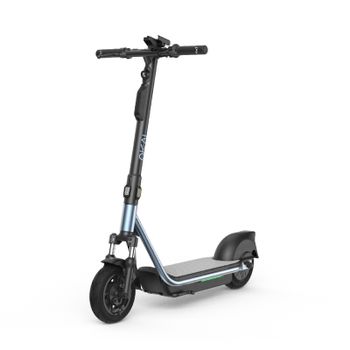

Kaufberatung: Auswahl eines Elektrofahrrads basierend auf Fahrstil und Gelände
Elektrofahrräder verändern die Art und Weise, wie Menschen pendeln, die Welt entdecken und Radfahren genießen. Durch die Kombination von Tretunterstützung und leistungsstarken Motoren machen sie das Radfahren für fast jeden zugänglich und angenehm – vom Stadtpendler bis zum Outdoor-Abenteurer. Angesichts der vielen Modelle auf dem Markt kann die Wahl des richtigen Elektrofahrrads jedoch überwältigend sein. Der Schlüssel liegt darin, den eigenen Fahrstil, das vorherrschende Terrain und dessen Einfluss auf Design und Leistung des Fahrrads zu verstehen.
Dieser umfassende Leitfaden hilft Ihnen dabei, sich in Ihrer Auswahl zurechtzufinden und ein Elektrofahrrad zu finden, das Ihren Bedürfnissen, Ihrem Stil und Ihrer Umgebung entspricht.
Grundlagen zu Elektrofahrrädern verstehen
Ein ElektrofahrradEin E-Bike kombiniert die traditionelle Fahrradmechanik mit einem Motor und einem Akkusystem zur Unterstützung beim Treten. Je nach Modell können Fahrer zwischen reinem manuellem Treten, Tretunterstützung oder Gasgriffsteuerung wählen.
Obwohl alle E-Bikes die gleichen Komponenten wie Rahmen, Motor, Akku, Antrieb und Bremsen besitzen, variiert das Design je nach Einsatzzweck. Pendler in der Stadt legen in der Regel Wert auf geringes Gewicht und Effizienz, während Offroad-Fans Wert auf eine robuste Federung und gute Traktion legen. Diese Kategorien zu verstehen, ist der erste Schritt, um das richtige E-Bike zu finden.
Schritt 1: Ermitteln Sie Ihren primären Fahrstil
Bevor Sie sich ein E-Bike kaufen, überlegen Sie, wo und wie Sie am häufigsten fahren werden. Ihr Fahrstil beeinflusst direkt den benötigten Fahrradtyp.
1. Täglicher Pendler
Für Stadtstraßen, Radwege und kurze Strecken ist ein E-Bike ideal. Achten Sie auf eine aufrechte Sitzposition, integrierte Schutzbleche, Gepäckträger und Sicherheitsmerkmale wie Lichter und Reflektoren. Diese Modelle bieten Komfort und Effizienz und erleichtern Ihnen das Fahren im Stadtverkehr.
2. Wochenend-Entdecker
Wenn Sie gerne längere Fahrten auf asphaltierten Straßen oder malerischen Wegen unternehmen, sind E-Bikes für Touren oder Hybridfahrten eine hervorragende Wahl. Diese Modelle verfügen oft über größere Akkus für eine höhere Reichweite, ergonomische Sättel und vielseitige Gangschaltungen, die lange Touren zum Vergnügen machen.
3. Offroad-Abenteurer
E-Mountainbikes (E-MTBs) eignen sich perfekt für Trails, felsiges Gelände und steile Anstiege. Merkmale wie Federungssysteme, breite Reifen mit starkem Grip und verstärkte Rahmen gewährleisten Stabilität und Langlebigkeit für abenteuerlustige Fahrer.
4. Fitnessbegeisterter
Einige Radfahrer nutzen E-Bikes als Ergänzung zu ihrem Training und wechseln dabei zwischen Tretunterstützung und manuellem Treten ab. Leichte Modelle mit mehreren Widerstandseinstellungen ermöglichen sowohl Training als auch Komfort.
Schritt 2: Passe dein Fahrrad dem Gelände an
Unterschiedliche Landschaften erfordern spezifische Fahrradkonfigurationen hinsichtlich Komfort, Sicherheit und Langlebigkeit.
- StadtstraßenGlatte Gehwege und Radwege begünstigen leichte E-Bikes für Pendler mit schmalen Reifen, die eine schnelle Beschleunigung und einfache Manövrierbarkeit ermöglichen.
- Vorstadtstraßen und gemischte Wege: Hybrid-E-Bikes mit mittelbreiten Reifen eignen sich sowohl für glatte Straßen als auch für leichten Schotter und bieten ein ausgewogenes Verhältnis zwischen Komfort und Geschwindigkeit.
- Bergpfade und unwegsame Wege: E-Mountainbikes mit Federgabeln, verstärkten Rahmen und Akkus mit hoher Kapazität eignen sich am besten für felsige oder unebene Oberflächen.
- Sandige oder Küstengebiete: Fatbike-Elektrofahrräder verteilen das Gewicht gleichmäßiger, verhindern so das Einsinken in weichem Untergrund und bieten besseren Halt auf Schnee oder Sand.
Lesen Sie auch: Sind Elektrofahrräder für Fahrten am Strand geeignet?
Schritt 3: Wichtige Merkmale, die zu berücksichtigen sind
Bei der Eingrenzung der Auswahl sollten Sie sich auf diese wichtigen Merkmale konzentrieren:
- Motorleistung – Bestimmt, wie viel Tretunterstützung Sie erhalten. Pendler benötigen möglicherweise 250 W, während Mountainbiker oft 500 W oder mehr bevorzugen.
- Batteriekapazität – Akkus mit höherer Wattstundenzahl erhöhen die Reichweite, was besonders wichtig für lange Fahrten oder hügeliges Gelände ist.
- RahmengestaltungAluminiumrahmen sind leicht und robust; Carbonfaserrahmen bieten maximale Leistung. Tiefeinsteigerrahmen verbessern die Zugänglichkeit für Stadtfahrer.
- Federung – Für unwegsames Gelände ist eine Vollfederung unerlässlich, während für Fahrten in der Stadt oder im Umland eine Vorderrad- oder Starrfederung ausreicht.
- Bremsen – Scheibenbremsen bieten eine hohe Bremsleistung, insbesondere bei Nässe oder unebenen Straßen. Felgenbremsen sind für den Stadtverkehr ausreichend.
- Reifen – Schmale Reifen verbessern die Effizienz auf Straßen; breite Reifen verbessern die Traktion und Stabilität im Gelände.
Schritt 4: Fahrkomfort und Ergonomie
Selbst ein leistungsstarkes E-Bike kann frustrierend sein, wenn es unbequem ist. Achten Sie auf ergonomische Griffe, verstellbare Sättel und die richtige Rahmengröße. Bei längeren Fahrten entlasten gepolsterte Sitze und aufrechte Lenker Rücken und Schultern. Zubehör wie Gepäckträger, Körbe und Beleuchtung erhöhen den Komfort beim Pendeln und auf Touren.
Schritt 5: Budget und Wert in Einklang bringen
E-Bikes unterscheiden sich preislich stark je nach Ausstattung, Material und Verarbeitungsqualität. Während Pendlermodelle oft günstiger sind, können spezialisierte Mountainbikes oder Fatbikes aufgrund fortschrittlicher Komponenten teurer sein.
Bei der Kostenbewertung sollten Sie den langfristigen Nutzen berücksichtigen: Akkulaufzeit, Wartungsfreundlichkeit, Langlebigkeit und Markenverlässlichkeit. Eine etwas höhere Anfangsinvestition in ein hochwertiges E-Bike zahlt sich oft durch bessere Leistung und weniger Reparaturen aus.
Auswahl einer vertrauenswürdigen E-Bike-Marke
Bei OKAI entwickeln wir ElektrofahrräderMit Fokus auf Innovation und Alltagstauglichkeit bieten unsere E-Bikes eine sanfte Tretunterstützung, langlebige Akkus und vielseitige Designs, die sich sowohl für den Stadtverkehr als auch für Offroad-Abenteuer eignen. Jedes Modell ist auf zuverlässige Leistung, hohen Fahrkomfort und Langlebigkeit in unterschiedlichem Terrain ausgelegt – damit Sie das E-Bike finden, das perfekt zu Ihrem Lebensstil passt.
Schritt 6: Vor dem Kauf testen
Probieren Sie nach Möglichkeit verschiedene Modelle aus. Schon eine kurze Probefahrt hilft Ihnen, Komfort, Motorunterstützung, Fahrverhalten und das Gesamtgefühl zu beurteilen. Tests sind besonders wichtig für Fahranfänger oder diejenigen, die sich für Mountainbikes oder Fatbikes entscheiden.
Häufig gestellte Fragen (FAQs)
Frage 1: Lohnt sich die Anschaffung eines Elektrofahrrads für den Arbeitsweg?
A1: Ja! E-Bikes reduzieren den Kraftaufwand, verkürzen die Pendelzeiten und machen Radfahren für Fahrer aller Fitnesslevel zugänglich.
F2: Wie lange hält der Akku eines Elektrofahrrads?
A2: Die Akkulaufzeit variiert je nach Modell und Nutzung, liegt aber typischerweise zwischen 40 und 100 Meilen pro Ladung. Durch sachgemäße Pflege wird die Lebensdauer des Akkus verlängert.
Frage 3: Kann ich ein E-Bike bei Regen oder Nässe fahren?
A3: Viele E-Bikes sind für leichten Regen ausgelegt. Achten Sie auf wasserdichte oder wasserabweisende Komponenten für eine gleichbleibende Leistung.
Lesen Sie auch: Wie behebt und repariert man Probleme am E-Bike nach einem Regenguss?
F4: Benötige ich eine spezielle Fahrerlaubnis zum Fahren eines Elektrofahrrads?
A4: In den meisten Regionen benötigen E-Bikes mit Tretunterstützung unterhalb einer bestimmten Leistungsgrenze keinen Führerschein, jedoch können die lokalen Gesetze variieren.
Abschließende Gedanken
Bei der Wahl des richtigen E-Bikes geht es darum, Ihren Fahrstil an das Terrain anzupassen, das Sie am häufigsten befahren. Pendler profitieren von leichten, effizienten Modellen, während Abenteurer robuste Mountainbikes oder Fatbikes bevorzugen sollten. Touren- und Hybridräder eignen sich ideal für längere Erkundungstouren, und fitnessorientierte Fahrer können vielseitige Designs mit einstellbarem Widerstand nutzen.
Indem Sie diese Faktoren verstehen und sich für eine vertrauenswürdige Marke wie beispielsweise entscheiden GRÜNDESie können ein Elektrofahrrad finden, das Ihr Fahrerlebnis verbessert, langfristige Zuverlässigkeit bietet und Komfort und Sicherheit auf jeder Fahrt gewährleistet.

Telefon: 1-800-660-3498
E-Mail:
nihao@okai.co
(für geschäftliche Zwecke)
b2bsupport@okai.co
(für technischen Support)
Copyright © 2023 OKAI. Alle Rechte vorbehalten.