
So reinigen Sie Ihren Elektroroller: Einfache Tipps für eine glänzende Fahrt
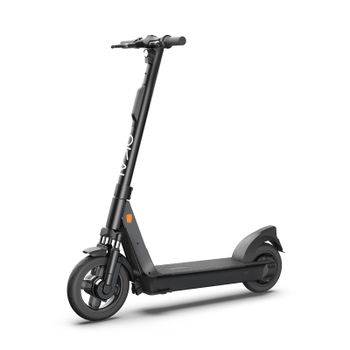
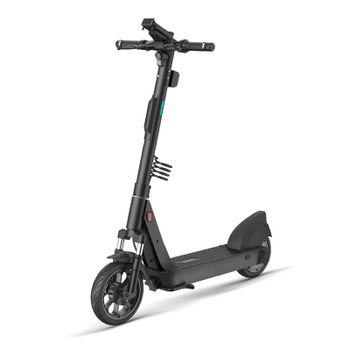
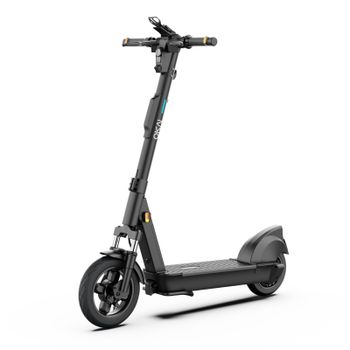
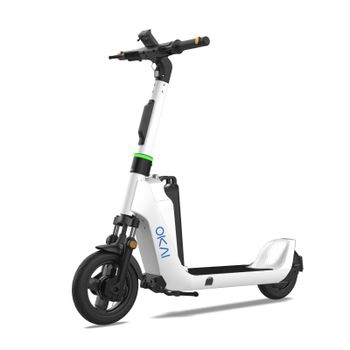
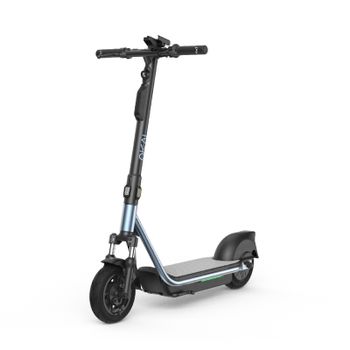
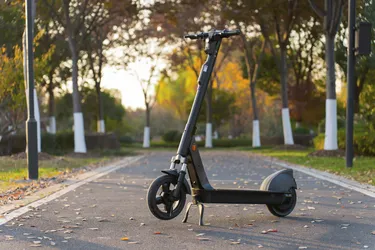
ElektrorollerMit ihrer Geschwindigkeit, ihrem Komfort und ihrer Umweltfreundlichkeit haben sie den städtischen Verkehr revolutioniert. Ob für den täglichen Weg zur Arbeit oder für Wochenendausflüge – sie bieten eine praktische Alternative zu Autos und öffentlichen Verkehrsmitteln. Doch die häufige Nutzung bringt unweigerlich auch die Belastung durch Schmutz, Staub und Straßenschmutz mit sich.
Mit der Zeit lässt diese Ablagerung nicht nur das Aussehen Ihres Scooters trüben, sondern kann auch seine Leistung beeinträchtigen. Verschmutzte Bremsen, verstopfte Räder und mit Schmutz bedeckte Bauteile können zu Sicherheitsrisiken und schnellerem Verschleiß führen. Glücklicherweise ist die Reinigung Ihres Elektrorollers einfach und effektiv. Dieser Ratgeber enthält praktische Tipps, damit Ihr Scooter immer gut aussieht und einwandfrei funktioniert.
Warum regelmäßige Reinigung wichtig ist
Die richtige Reinigung Ihres Elektrorollers ist nicht nur aus ästhetischen Gründen wichtig. Sauberkeit spielt eine entscheidende Rolle für die langfristige Wartung und Leistung:
- Schützt Komponenten: Schmutz und Ablagerungen können empfindliche Teile wie den Motor oder das Batteriegehäuse angreifen.
- Verbessert die Sicherheit: Ein sauberes Bremssystem gewährleistet eine bessere Bremsleistung.
- Verlängert das Leben: Regelmäßige Reinigung reduziert Verschleiß.
- Erleichtert die Inspektion:Man erkennt Risse, lockere Schrauben oder Reifenschäden eher, wenn der Roller sauber ist.
Checkliste für die Vorbereitung der Reinigung: Was Sie wissen müssen
Bevor Sie sich damit beschäftigen, wie Sie Ihren Elektroroller reinigen, sollten Sie einige Sicherheitsvorkehrungen treffen und die richtigen Werkzeuge bereitlegen:
Sicherheit geht vor:
- Schalten Sie den Roller vollständig aus.
- Entfernen Sie den Akku, falls Ihr Modell dies zulässt.
- Stellen Sie sicher, dass der Ladeanschluss geschlossen oder abgedeckt ist.
Reinigungsutensilien:
- Weiche Mikrofasertücher oder Schwämme
- Bürste mit weichen Borsten (ideal für Reifen und schwer zugängliche Stellen)
- Milde Seife oder verdünnter Neutralreiniger
- Trockene Kleidung oder Handtücher
- Optional: Druckluft zur Staubentfernung in engen Räumen
Vermeiden Sie die Verwendung von Hochdruckwasserstrahlen oder aggressiven Chemikalien. Diese können die Elektronik beschädigen oder Materialien angreifen.
Schritt-für-Schritt-Anleitung: So reinigen Sie Ihren Elektroroller
Wischen Sie den Rahmen ab
Beginnen Sie mit Lenker, Vorbau, Deck und hinterem Schutzblech:
- Befeuchten Sie ein Tuch oder einen Schwamm mit Wasser und milder Seife.
- Wischen Sie alle exponierten Oberflächen vorsichtig ab.
- Bei hartnäckigem Schmutz das Tuch einige Sekunden auf der betroffenen Stelle einwirken lassen, bevor Sie abwischen.
- Vermeiden Sie es, irgendeinen Teil des Rollers zu durchnässen, insbesondere die Elektronik.
Profi-Tipp:Vergessen Sie nicht die Unterseite der Terrasse – dort sammelt sich der meiste Schmutz!
Räder und Reifen reinigen
Die Räder nehmen den meisten Schlamm, Sand und kleinen Schmutz auf:
- Schrubben Sie die Trittflächen mit einer weichen Bürste.
- Entfernen Sie kleine Steine oder Stöcke, die sich in den Reifenprofilen festgesetzt haben.
- Reinigen Sie gegebenenfalls den Bereich um Achsen und Aufhängung.
Zur Reinigung Ihres Elektrorollers gehört es, besonders auf die beweglichen Teile zu achten. Schmutzablagerungen können die Radrotation beeinträchtigen und sogar den Akku schneller entladen.
Bremsen im Detail</p>
Bremsen sind empfindlich und für die Sicherheit unerlässlich:
- Reinigen Sie die Bremsbeläge und -scheiben mit einem trockenen Tuch.
- Reiniger niemals direkt auf Bremsenteile auftragen – dies kann die Reibung verringern und das Bremsen unsicher machen.
- Für schwer zugängliche Bereiche in der Nähe des Bremsmechanismus Druckluft verwenden.
Ordnen Sie den Batteriebereich auf
Die richtige Batteriepflege ist beim Reinigen Ihres Elektrorollers unerlässlich:
- Das Batteriefach darf niemals nass werden.
- Wischen Sie die Außenseite mit einem trockenen oder nur leicht feuchten Tuch ab.
- Reinigen Sie den Ladeanschluss vorsichtig mit einer trockenen Bürste oder Druckluft.
- Stellen Sie sicher, dass die Anschlussabdeckung nach der Reinigung intakt ist und ordnungsgemäß schließt.
Trocknen und prüfen
Sobald alles gereinigt ist:
- Wischen Sie den Roller mit einem trockenen Mikrofasertuch ab, um die Feuchtigkeit zu entfernen.
- Achten Sie besonders auf Ecken und Ritzen, in denen sich Wasser ansammeln kann.
- Lassen Sie den Roller vor der Inbetriebnahme mindestens 15–30 Minuten im Schatten an der Luft trocknen.
Warnung: Setzen Sie Ihren E-Scooter niemals direkter Sonneneinstrahlung oder Hitze zum Trocknen aus – dies kann den Akku oder die Kunststoffteile beschädigen.
Wie oft sollte man seinen Elektroroller reinigen?
Die Reinigungshäufigkeit hängt von der Nutzung und den Umgebungsbedingungen ab:
- Tägliche Pendler: Nach 3–5 Fahrten abwischen; einmal wöchentlich gründlich reinigen.
- Gelegentliche Nutzer: Alle 2–3 Wochen reinigen.
- Nach Regen oder Geländefahrten: Um Schäden durch Wasser und Schmutz zu vermeiden, sofort reinigen.
Ein Reinigungsplan hilft Ihnen, Ihren Scooter mühelos zu pflegen. Denken Sie daran: Die effiziente Reinigung Ihres Elektrorollers hängt mehr von der Regelmäßigkeit als vom Zeitaufwand ab.
Häufige Reinigungsfehler, die Sie vermeiden sollten
Selbst gutmeinende Rollerbesitzer machen Fehler. Hier sind die größten Fallstricke:
- Verwendung eines Gartenschlauchs oder Hochdruckreinigers: Dadurch kann Wasser in das elektrische System gelangen.
- Verwendung aggressiver Reinigungsmittel: Scharfe Chemikalien können Lack und Kunststoff angreifen.
- Ignorieren Sie die Bedienungsanleitung: Befolgen Sie immer die Reinigungsempfehlungen des Herstellers.
- Übereilter Prozess: Unzureichende Trocknung kann zu langfristiger Korrosion führen.
Abschließende Tipps: Für strahlenden Glanz sorgen
Hier sind ein paar zusätzliche Tipps für langanhaltenden Glanz und optimale Leistung:
- Für zusätzlichen Schutz können Sie Metallteile mit einem silikonbasierten Spray oder Poliermittel (nichtleitend und wasserfest) behandeln.
- Bewahren Sie Ihren Roller an einem trockenen, geschützten Ort auf.
- Investieren Sie in Schutzbleche oder Schutzbandagen, wenn Sie häufig in schmutziger Umgebung fahren.
- Denken Sie daran: Wenn Sie wissen, wie Sie Ihren Elektroroller richtig reinigen, verbessert das nicht nur seine Leistung, sondern schützt auch Ihre Investition.
Fazit
Die Reinigung Ihres Elektrorollers muss keine lästige Pflicht sein. Mit ein paar einfachen Tipps und ein paar grundlegenden Werkzeugen können Sie die Lebensdauer Ihres Rollers verlängern und für eine angenehme und sichere Fahrt sorgen. Vom Rahmen bis zum Akku – jedes Bauteil verdient die richtige Pflege. Da Sie nun wissen, wie Sie Ihren Elektroroller reinigen, sollten Sie dies regelmäßig in Ihre Wartungsroutine einbauen – und sich bei jeder Fahrt an seinem glänzenden, neuwertigen Aussehen erfreuen.
Für Unternehmen oder Organisationen, die zuverlässige, leistungsstarke Elektroroller benötigen,GRÜNDE bietet eine vollständige Palette an durchdachten, wartungsarmen Modellen für den täglichen Gebrauch. Besuchen Sie Offizielle Website von OKAI Um unser Produktsortiment zu entdecken und sich mit unserem Team in Verbindung zu setzen, um maßgeschneiderte Lösungen für Ihre Mobilitätsbedürfnisse zu erhalten, kontaktieren Sie uns bitte.

Telefon: 1-800-660-3498
E-Mail:
nihao@okai.co
(für geschäftliche Zwecke)
b2bsupport@okai.co
(für technischen Support)
Copyright © 2023 OKAI. Alle Rechte vorbehalten.